Diary | Finding More Than Delicious in Taipei
Food. Food tours. Food haven. I have heard the word ‘food’ attached to Taiwan for as long as I can remember. Whether you have a sweet tooth or prefer savoury dishes, there is no shortage of delights. But what startled me was how well this city worked. From public transit to waste disposal to safety, the ‘miracle city’ slogan is very well put. Let me explain.
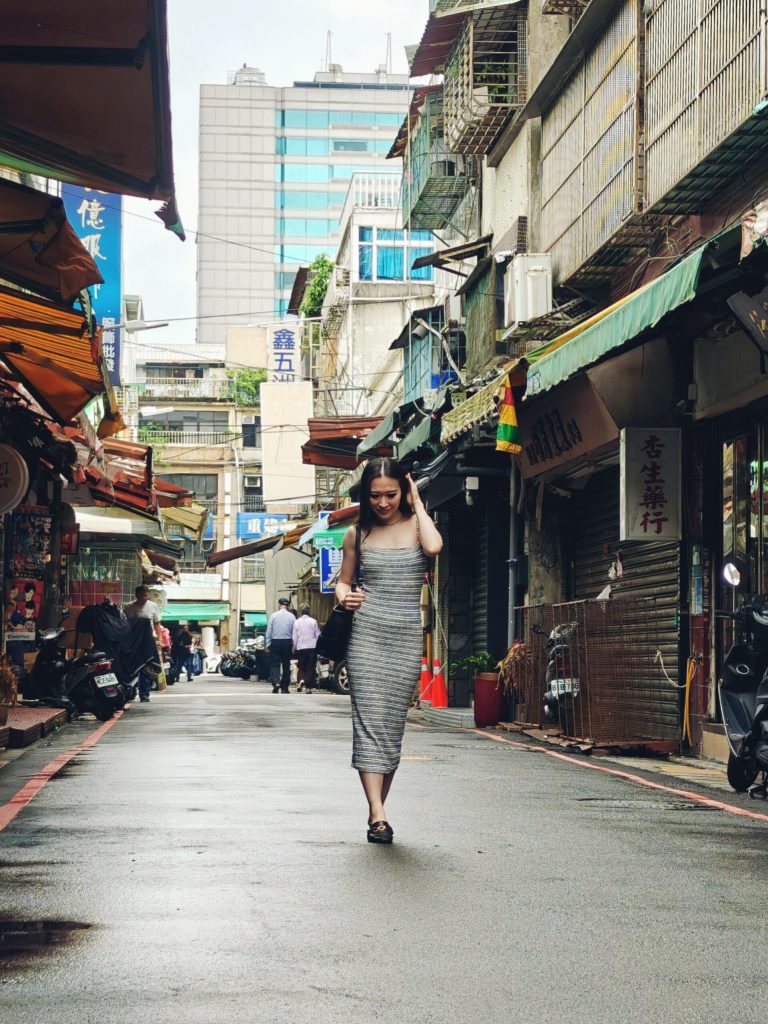
The first thing that stands out is the cleanliness of the streets. It rivals standards found in Tokyo and neither city maintains trash cans in most public areas. In Taipei, locals take their trash home, sort their waste for disposal and wait according to a rough schedule for a singing truck to come and collect. This fascinating routine was first introduced in the late 1960’s and carries on today. No matter the area you are in, be it a modern neighbourhood or a historic district, there is absolutely no trash to be seen.
The second thing that was obvious is the amazing city transit. Taiwan has gone through multiple eras of colonialism and the physical result in Taipei is a city with heavy urban sprawl. It is immediately noticeable as a tourist as none of the ‘attractions’ are close together. You have no choice as a budget traveller but to learn their metro. To my delight, bus routes and trains are planned well, frequent, clean, and affordable. Staying near Taipei Main station, I found it simple, quick and straightforward to get anywhere I wanted to go with my EasyCard. Even further places like Yingge or Jiufen (both of which are outside the city in New Taipei) were direct trips with zero transfers. The city has heavily invested in their infrastructure and it pays off even to a beginner rider.
Whether word has gotten out about their accessibility or deliciously affordable meals, there were large crowds at most attractions. This was particularly noticeable at The National Palace Museum, Songshan Cultural and Creative Park, every night market I ran into, and in particular: Jiufen.
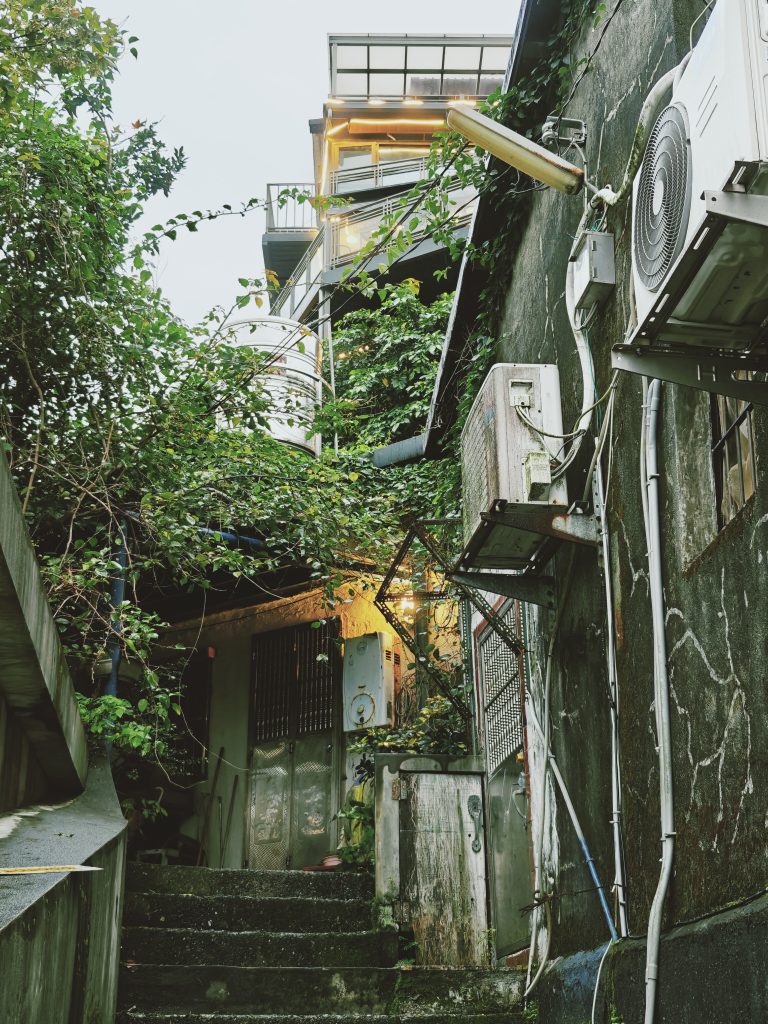
If you haven’t yet heard, Jiufen is a mountainside village famous for its teahouses. It has been marketed as the inspiration for the movie ‘Spirited Away’ even though it is not. Despite this, the village draws extreme levels of visitors and touts lots of Spirited Away souvenirs. Thinking I would avoid the worst of the crowds, I visited on a weekday when it rained. I arrived in the early afternoon and hoped to wait out the volume. Sadly, when the sky dimmed and the lanterns came on, the crowds quickly tripled. Jiufen is indeed a very picturesque village, but the amount of tourists ballooned upon every step of its narrow staircases, every landing, teahouse, and alleyway. On top of this, walkways are extremely narrow and allows barely a single file in each direction. The wooden stairs creaked as it held up the humans and with the rain, it would take one person slipping to cause a chain accident.

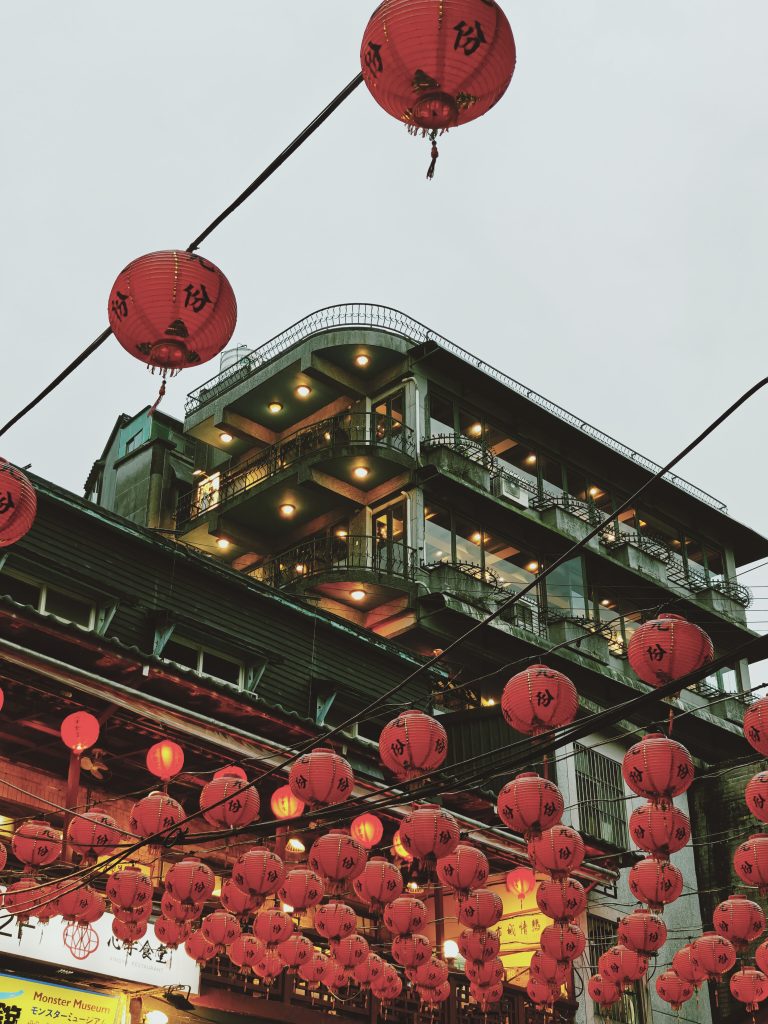
If you look past the crowds, take a peak at the jade treasures and get a glimpse of Taipei 101, you can finally focus on the food. Because the food in Taipei is fairly similar to what I grew up with, I left things up to chance. I figured the general bar was high and unskilled restaurants probably wouldn’t survive a city like this.
I was right. The most outstanding foods were at unassuming stainless steel counters, kitchenettes with plastic stools or at a cafeteria. They serve simple dishes at lightning speeds, with perfunctory customer service at highly affordable prices. The gold mines are the cafeterias where customers fill a box with anything they like and are charged by weight. No showmanship needed.
If you need to walk at night, as a woman, I never felt uneasy at any hour. Not walking around nor eating by myself at a 24/7 takeaway. The laundromat I used multiple times was also open 24/7. Filled with regular machines, there were no security measures other than a single security camera. In contrast, laundry machines in Tokyo required customers to set a pin in order to unlock their finished loads and laundromats in Melbourne had timed locking mechanisms to the shops. Here in Taipei, the machines aren’t even shielded by a storefront wall. Customers dropped their unsecured laundry in a machine and returned once the cycle had completed. The sense of safety in this size of a city is unparalleled to anything I’d seen before.
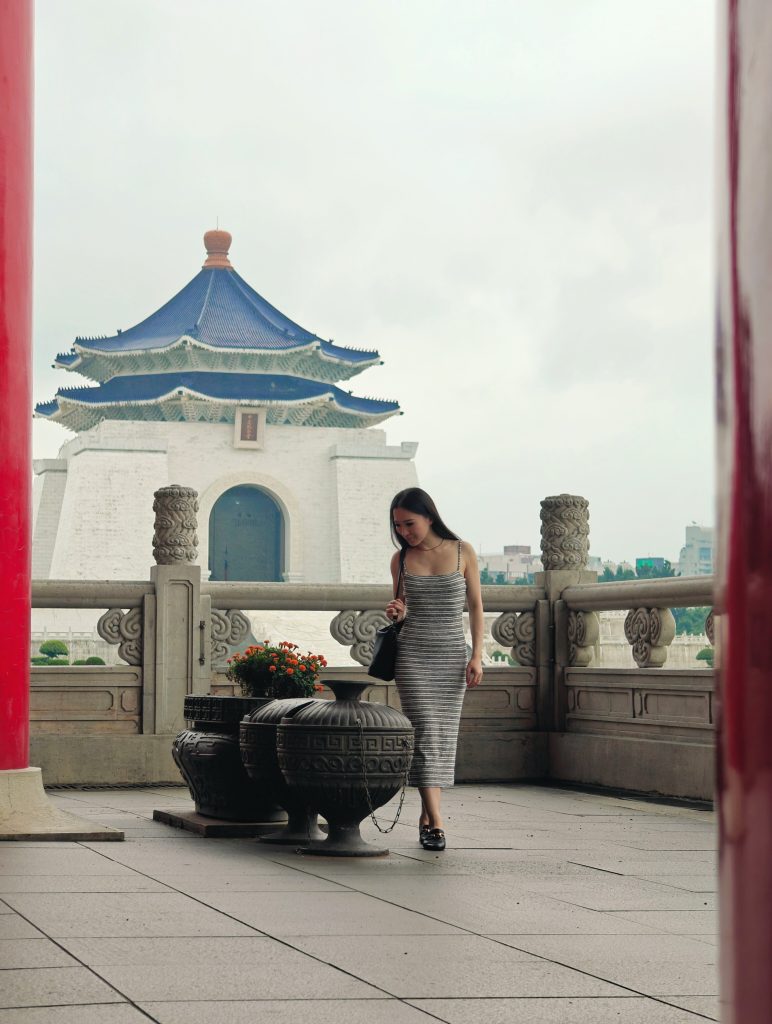
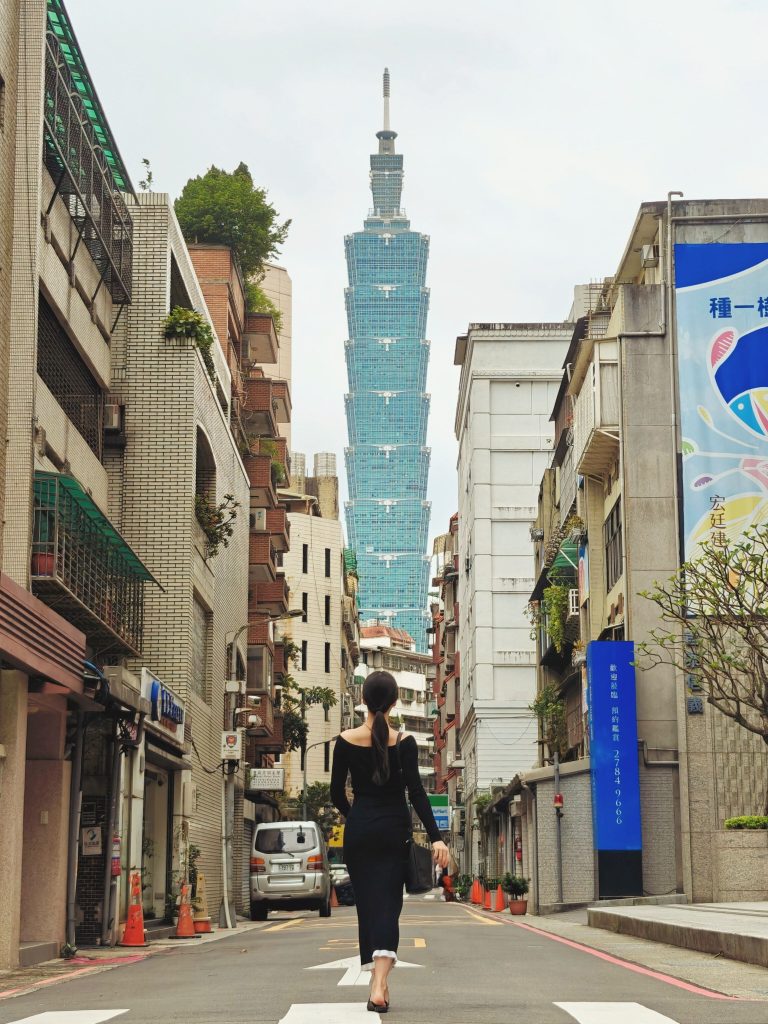
Taipei blew me away with its quality, affordability and range. Every neighbourhood felt like a different flavour and this kept me looking forward to each day. I particularly enjoyed Dihua, a historic street filled to the brim with dried pantry staples. If you need dried nuts, tea or preserved fruits – this is the place to go. There is shop after shop of variety with large display tables taking up most of the pedestrian walkway. It’s a lively sight to be dressed under charming two-storied brick buildings. Artisans fill the corners of this area offering their works and teaching classes. I encourage anyone to stumble through the shops and keep going as long as there isn’t a staff only sign. With the Chinese and Japanese influenced architecture, the lanterns, Diana Krall and Louis Armstrong playing on stereo, it was something out of a 1970’s film scene.
On its surface, Taiwan is bubble tea land, and the world is grateful. But on closer inspection, beyond the cute souvenirs and the affordable clothes, Taipei is beguiling, accomplished, and deserves revere for what it sets by example.
Support My Work
My studio, Atelier Baline, is where I create with the aspiration to |mitate the |ntangible.
Check out my products and artwork via my Etsy shop.