Guide | 7 Ways to Find Unique Travel Souvenirs
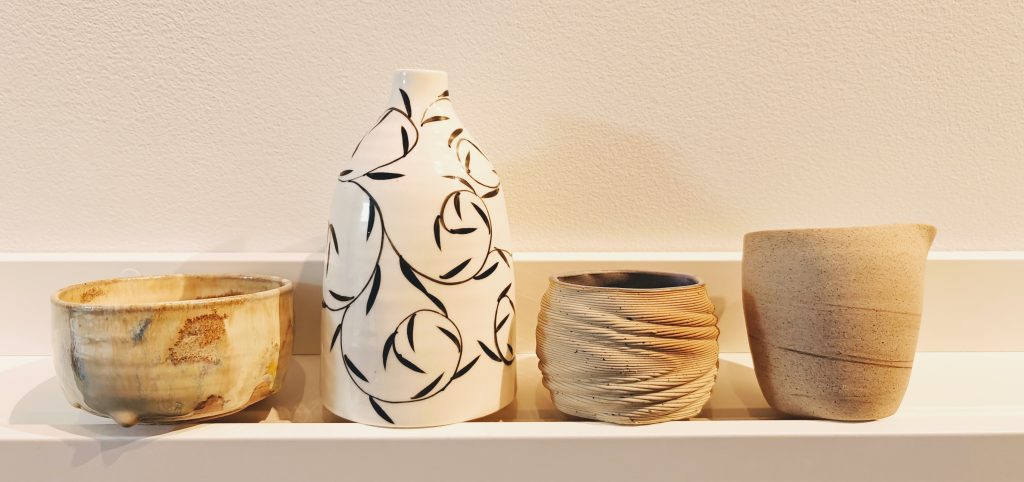
Souvenir shopping during travel can yield wonderful treasures. Sure, you can grab a fridge magnet at the airport, but I love bringing back items that remind me how that place made me feel. I’m personally the handicraft shopper, seeking locally made artisan items (particularly ceramics). They then display in my home as an homage to my experiences and transport my mind to the market, artist studio or city where I picked them up.
Here are the ways I find special and unique souvenirs that become cherished keepsakes.
1. Search [Place] + “Specialty”
Upon deciding your destination, do a quick search on its specialty. Perhaps it’s known for chocolate, perfumes or even the world’s finest garments money can buy. Whatever it is, this is where I start. Some examples of ‘special items’:
- Waffles from Belgium
- Pâte de fruits from France
- Leather goods from Morocco
2. Custom Specialties
A lot of places excel at a certain type of item and is known for their custom works.
For garments, you might seek out tailors in Vietnam or Italy for custom creations. If you’re in Hong Kong, pick up a custom stamp. Or perhaps you’re in France where you could be perfecting your very own custom perfume.
3. Museum Gift Shops
The gift shop at museums tend to be on the pricier side. However, they are often free to enter even without a museum entrance ticket and have multiple advantages including:
- Easy to locate and typically found in city centres
- They carry a unique selection of items that often highlight their museum collections
- Have items and prints available only in their stores and not available in your typical souvenir shop
- Stock objects and jewelry from artisans that are not widely available
- Quality of items tends to be high
- Items are often ‘artistic’ and unique in design and colour

4. Independent Artisans
Purchasing from local artisans means buying unique, handmade items while supporting small businesses and artists. The challenge here is finding them! It is important to do your research and have a few options before starting your trip so as to not waste time wandering aimlessly. Unlike souvenir stores or museum gift shops, local artisans can be difficult to track down as many do not have dedicated storefronts or open by appointment only.
Here are a few ways to locate artisans and their items:
- Search your destination in the Homo Faber Guide: a great resource to locate ceramicists, silversmiths, jewelry makers and artisans of all types worldwide.
- Follow your favourite artisans on Instagram: Once you know your dates, message them to book an appointment or ask where to view and purchase their work.
- Google Maps: Here is what I input to locate artisans:
- Ceramics Shop / Manufacturer
- Pottery Shop / Manufacturer
5. Local Handicraft & Art Galleries
Rather than tracking down specific artisans and their shops, you can also seek out places that carry works from multiple artists. These might be:
- Art galleries
- Coffee shops: Some independent cafes sell ceramics from local artisans right in the store
- Bookstores: Bookstores often have a stationary / gifts section. If it is a locally run shop, they may stock items from local artists and designers.
- Crafts fair: Check if your destination is having a crafts fair during your visit. This could be a local event, farmers market, or a crafts bienndale.
- Concept Store: Typically means a store with different contributors. Check the store’s photographs on Google Maps to ensure they carry the types of items you are looking for.
6. Antique Shops
This is where I go looking if all my searches in point #4 and #5 fail. But antique shops can surprise you – such as in the case of Amsterdam. One of this city’s highlights is beautiful blue and white Delft pottery. However, there are nowadays only two players in town and I found the selection not to my liking.
Defeated, I strolled along Nieuwe Spiegelstraat which is littered with antique stores. To my delight, they carried vast selections of Delft pottery from defunct manufacturers and I found the vase that followed me home.
7. Flea Markets
Flea markets usually mean early mornings, sorting through chaos, and bringing your haggling a-game. Here are some tips to find and navigate flea markets:
- Get up early: stock is not unlimited here and the best stuff is gone first
- Check your destination’s markets and their schedule as markets can be seasonal and/or operate only on certain days. I’ve also found markets that run at different locations depending on the week.
- Check Facebook: Don’t be surprised if a market doesn’t have a proper website. Facebook is often the only digital presence they maintain.
- Bring Cash: Flea markets often don’t accept cash or give you better price when paying cash.
I hope you’ve enjoyed this article and found something interesting and useful. Good luck and happy hunting!
Support My Work
My studio, Atelier Baline, is where I create with the aspiration to |mitate the |ntangible.
Check out my products and artwork via my Etsy shop.