
Info | Paris: 17 Tips for a Great Visit
Paris is a hotspot for travel anytime of year. Whether you are after intimate wintertime cafes or summertime picnics along the Seine, there is no wrong moment for a visit. For a smooth and safe trip, here are 17 tips that will help you prepare for the dynamic city that awaits. We cover:
- General tips
- Eating
- Safety
- Clothing
- Transit
General
1. Common Words & Phrases
French is the main spoken language in Paris. Although there is no expectation to speak it fluently, visitors will find navigating the city easier if they can recognize and speak a few phrases. Try to learn to recognize:
- Poussez = Push
- Tirer = Pull
- Sortie = Exit
- Billets = Tickets
- Ouvrir = Open
- Fermé = Closed
- Toilettes = Washrooms
In addition, the following phrases will help as you explore the city:
- Bonjour = Hello
- Bonsoir = Good Evening (used roughly 5pm onwards)
- Je regarde, merci. = I’m just looking, thank you.
- Une carafe d’eau, s’il vous plaît. = A carafe of water, please. (This is how you get complimentary water in restaurants)
- L’addition, s’il vous plaît. = The bill, please.
2. Timing vs. Events
Paris is host to many large and international events year-round. This can affect airfare and hotel rates so if you’re planning trip, keep an eye on booking early or avoiding visiting during events like fashion week and the French Open.
3. Money
It’s always good to carry a bit of cash with you just in case. In general, I never found to need cash around Paris. Credit cards seem to be universally accepted across attractions, restaurants and even flea markets where some vendors give a bit of a discount for paying in cash and some do not.
4. Museums Hours
Museums in Paris close earlier than the stated time on their websites. Visitors are asked to make their way to the exit at least 15 minutes ahead of close and in some cases, security begin evacuating rooms far away from the exit a full 30 minutes before the closing hour.
5. Drug Stores
In Paris, the green-lit pharmacies sell high-end skincare and prescription medication. For make-up, shelf-stable foods, and a wide variety of personal care products, head over to a Normal.


Eating & Restaurants
6. Outside vs. Inside
Most restaurants give patrons a choice of sitting inside or outside. Inside seating is great on colder nights and generally for bigger groups as outdoor tables are small. However, if you’re looking to avoid cigarette scents and the establishment is small on the interior, it might be better to sit outside where there is significantly more airflow.
7. Reservations
For famous or high-end restaurants, reservations are highly encouraged. For casual eateries, you will have a better chance of being seated if you eat at an off-hour (i.e. 9pm and onwards). Note that most restaurants close in the afternoon and don’t re-open until 6:30/7pm for dinner service.
8. Water
If you simply ask for ‘water’, you might find a charge on your bill at the end of your meal. To receive complimentary water, ask for tap water by saying ‘Une carafe d’eau, s’il vous plaît.’
9. Tipping
In my personal experience, I found tipping not only not expected, but rarely asked for by restaurants. Most establishments will hand you the credit card machine ready for tap/payment against the food and beverage total.
10. Grocery Stores
The main grocery chains in central Paris are Monoprix and Carrefour. Both have dozens of locations and are stocked with vast varieties of ready-to-eat foods like cheese, baked goods, prepared meals, etc. Note that it’s common in French grocery stores to bag, weigh and tag your produce before heading to checkout. If you see a scale in the produce section, that’s your cue.
Support My Work
My studio, Atelier Baline, is where I create with the aspiration to |mitate the |ntangible.
Check out my products and artwork via my Etsy shop.



Safety
11. Pickpocketing
Paris is generally as safe as any city. Pickpocketing does occur so be sure to keep your belongings close and your bags zipped especially on the metro and in busy tourist areas.
12. Bracelet Scams
In busy areas, particularly at the bottom of the Sacre Coeur, there are individuals who try to approach and put bracelets on you. They then charge an enormous fee for the trinket. To avoid this, walk with purpose and try not to engage or make eye contact. If need be, say ‘No, merci’ firmly.
Clothing
13. Religious Sites
There aren’t explicit rules around clothing at the Notre Dame nor the Sacre Coeur aside from ‘appropriate attire’. As a general rule, try to visit with your shoulders and knees covered. In the summertime, it’s common to bring a scarf or shawl.
14. Footwear
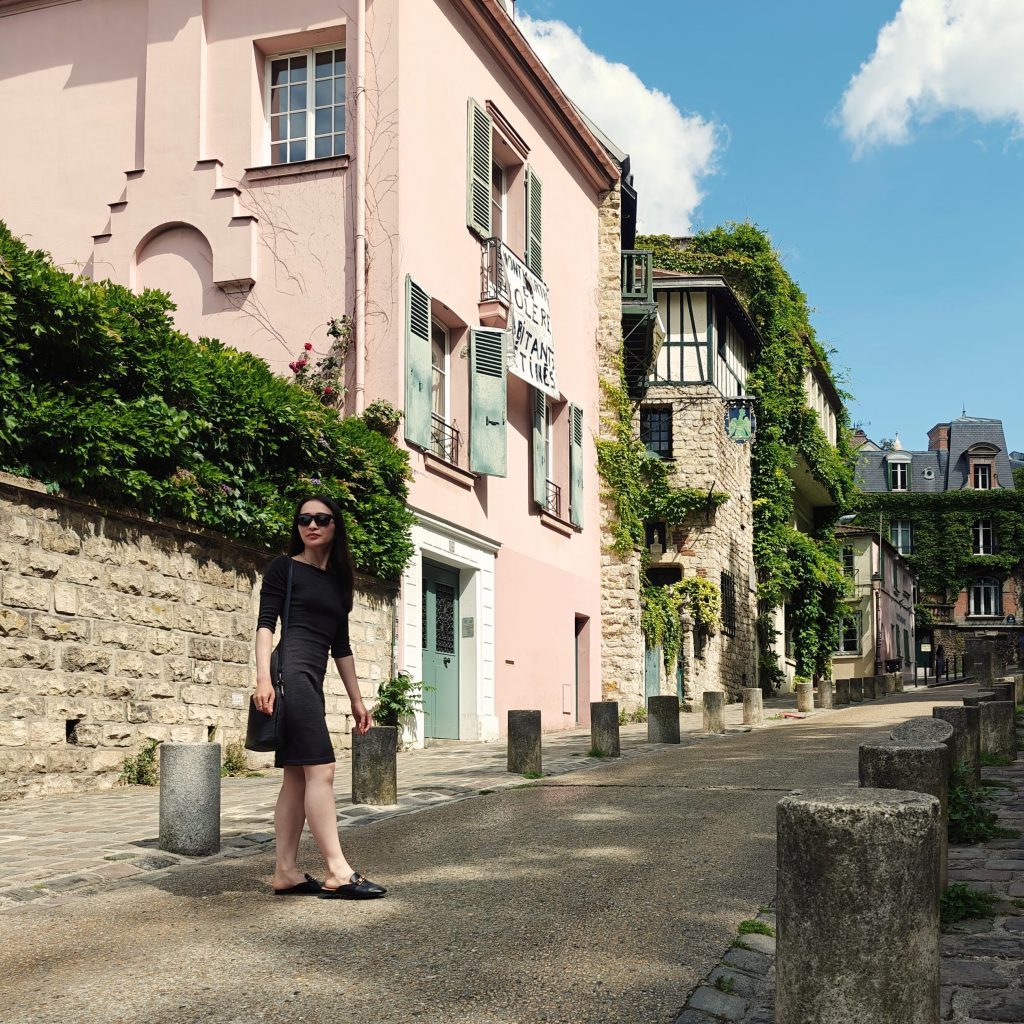
Streets in Paris are generally uneven. Cobblestone streets are common and many parks are covered in gravelly sand. For all-day exploration, try bringing a comfortable pair of sneakers, loafers or flats.
Transit
15. Metro
The Paris Metro is very well-designed and makes getting around Paris a breeze. To navigate and purchase tickets, download the Bonjour RATP app [Apple] [Android]. Tickets can be purchased directly on the app individually or as a pack.
*Note that in the busiest stations such as Les Halles, depending on your entrance, you may need to enter the station, then take an exit before heading through a second entrance to find your train. Don’t worry though, the app will recognize it as one trip. Follow the signs and trust the process!
16. Airport to City
There is now a flat rate for taxi rides from CDG into the city (60/65 euro to the right and left bank respectively) for up to four passengers.
Alternatively, the metro connects both CDG and ORLY to the rest of Paris for less than a fifth of the taxi cost. Follow the signs and be sure to download the Bonjour RATP app to grab your ticket.
17. SNCF
SNCF is France’s train booking platform. Through their website, you can book trains from multiple companies to travel all across France and Europe. They also have an app [Apple] [Android] that’s easy to book tickets through and keep updated on your train trips.
Given the geographic location of Paris, many domestic and international destinations are easily reachable by train including:
- Reims, France
- Caen, France
- Strasbourg, France
- Brussels, Belgium
- Antwerp, Belgium
- Basel, Switzerland
- London, England
- Amsterdam, Netherlands
- Luxembourg, Luxembourg
I hope you’ve enjoyed this article and found something interesting and useful. Safe travels!